


Super User
Fall - Winter 2014/2015 - Issue 20
Spring - Summer 2015 - Issue 21
Fall - Winter 2015/2016 - Issue 22
Spring - Summer 2016 - Issue 23
FLEXIBLE PROFESSIONAL SPECIALIZATION PROGRAM IN GESTALT THERAPY FOR PSYCHOTHERAPISTS

The Gestalt Foundation Psychotherapy & Training Center practices a fundamental concept of Gestalt therapy, “creative adjustment” and in order to address current needs, created a new modified and flexible training program offered by the Thessalonica branch. It consists of thematically oriented subjects and is divided in two courses. Its goal is to teach the theory and methodology of Gestalt therapy.
The difference between this program and the already existing 4year program is the flexibility in the time of attendance and that is organized thematically. Furthermore, the difference is that it remains open (Course A) throughout the current academic year.
Flexible Training Program Participation Conditions
- For psychotherapists, a degree or certification of studies in mental health, social or humanities courses.
- Professional license if applicable.
- Individual interview
- Application Form and CV
- 2 Reference Letters from mental health professionals (professors, directors, supervisors).
Flexible Training Program Content and Structure
The program is divided into two courses which include: Course A: the first and second thematic field and Course B: the third and fourth thematic field.
Course A covers the basic principles and methodology of Gestalt psychotherapy approach while Course B further explores issues of clinical practice and supervision.
According to the European training standards set by the E.A.G.T. the program consists of 1450 hours and includes:
- 600 hours theory, methodology and practice,
- 150 hours supervision
- 300 hours individual development
- 400 hours clinical practice
Details:
COURSE A: (1ST & 2ND THEMATIC FIELD)
- Theory and Methodology (238 hours)
188 hours of theory and methodology
There are divided into 2 thematic fields: 94 hours each field. Trainees study the philosophy and principle of Gestalt psychotherapy. They explore concepts such as phenomenology, figure & ground, contact, polarization, organism-environment, resistances, unresolved issues, theory of self.
Gradually trainees are taught methods such us: Experimentation, dialogue, working with dreams. Utilizing workshops, group papers, presentations and mostly experiential work within the training group the trainees are able to assimilate the theory.
50 hours theory and methodology by choice
Trainees have the opportunity to choose from a series of specialized training workshops offered by the Gestalt Foundation. The list of the available workshops is announced at the beginning of each year.
- Personal Development
160 hours Individual development
Trainees are obliged to complete 160 hours of personal development which will be distributed as follows:
- 40 hours (minimum) individual therapy
The purpose of individual therapy is the personal development of trainees and the experience of therapy through the patients’ perspective
- 100 hours group therapy
The purpose of group therapy is the personal development of the trainee in a group framework, the enrichment of the experience through the perspective of a patient’ in a group therapy situation and the understanding of the process of group dynamics in the Gestalt psychotherapy approach, which is an important element of the overall training (Duration: 2 consecutive training years in group therapy at the Gestalt Foundation).
- 20 hours participation in Gestalt psychotherapy workshops
Experiential workshops on specific topics that concern trainees in their personal or/and professional life. The list of workshops available is announced at the beginning of each year.
COURSE B (3RD & 4TH THEMATIC FIELD)
- Theory and Methodology (362 hours)
312 hours of theory and methodology
Allocated between the 3rd & 4th field and more specifically as follows:146 hours in the 3rd and 166 in the 4th field. During these hours trainees explore concepts such as diagnosis, therapeutic relationship, transference and counter transference, paradoxical theory of change.
Furthermore, trainees gradually learn methods such as: working with groups, working with couples, working with body, research.
Utilizing workshops, group papers, presentations and mainly experiential work within the training group, trainees are able to assimilate the theory.
50 hours theory and methodology by choice
- Supervision
150 hours Supervision
Supervision begins during the 2nd course of the program (clinical orientation) and is divided in
- Individual (minimum 75 hours)
- Group (75 hours). These 75 hours take place within supervising groups according to the needs of the trainees’ clinical practice.
Trainees through supervision are encouraged to assimilate the theory and knowledge to their work as therapists. Also, through supervision and clinical practice they explore issues such as therapeutic relationship, transference, counter transference, parallel process, personal style and boundaries.
Supervision is recommended beyond the end of the training program.
- Personal Development
140 hours Individual development
Trainees are obliged to complete 140 hours of personal development which will be distributed as follows:
- 60 hours of Individual therapy
- 50 hours of group therapy. These hours are added to the group therapy hours of the Course A and the trainees complete them, where appropriate, in coordination with their 3rd thematic field mentor.
- 30 hours participation in Gestalt psychotherapy experiential workshops.
- Clinical Practice
400 hours of clinical practice in private or public sectors
According to the E.A.G.T. requirements, clinical practice means a 400 minimum of sessions with patients (individual, group, couples, family- preferably coordinated).
Clinical Practice begins during the course B of the training program.
Specifically Clinical practice hours are considered:
- Working hours in mental health centers according to the requirements set by the Center.
- Working hours as freelancer in consulting/psychotherapy with individuals, groups, families, couples or children.
- Hours in consulting through telephone centers.
- Hours as volunteers in sectors that collaborate with the Center
The Gestalt Foundation collaborates with certain organizations to facilitate the trainees’ clinical practice. The list of these organizations is not adequate and does not cover the necessary hours of clinical practice. Trainees are responsible for completing the necessary hours. Clinical practice is confirmed through supervision (group or individual) by the Center and is ratified by the Centers’ senior trainer by written accreditation.
- Training Obligations
Trainees Obligations
Each year, trainees are required to meet their training obligations.
- Read each year’s recommended bibliography. Extensively, discussion and analysis of bibliography take place in every workshop depending on the specific subject. Trainee’s knowledge is evaluated through oral and written, group and individual papers.
- Participation in presentations, poster and group activities (observation, supervision).
- Prompt turning in of journals and papers required for each year.
- Training Completion
With the successful completion of the required hours and the turning in of the required papers, the trainee psychotherapist receives from the Center a Certificate of Attendance of the Professional Specialization Program in Gestalt psychotherapy. This allows him to submit the necessary documents to EAGT (European Association for Gestalt Therapy) and the NOPG (National Organization for Psychotherapy in Greece) to become a full member as well as the EAP (European Association for Psychotherapy) to acquire the ECP (European Certificate for Psychotherapy). Finally with the submission of the necessary documents he can become a member of the HAGT (Hellenic Association for Gestalt Therapy).
A trainee who has completed their 4year training but hasn’t completed their obligations and hasn’t received the certificate of attendance from the Center is not allowed to use the title of Gestalt psychotherapist.
The maximum time limit within which a trainee is obliged to complete his obligations required by the program is 7 years. This means 4 years of basic training and 3 more to cover all the outstanding obligations.
BASIC TRAINERS

- Anagnostopoulou Athina, Relational Gestalt Psychotherapy (continuing education of Gestalt Psychotherapy), BA in Psychology (American College of Greece), Certificate in Counseling Skills & Diploma in Integrative Counseling (COSCA), Gestalt Psychotherapist & Trainer, member of EAGT European Association for Gestalt Therapy) and ΗAGT (Hellenic Association for Gestalt Therapy). Works with adults, & groups. Coordinates educational and experiential workshops for eating disorders and group of parents with emphasis on positive parenting.
- Balliou Despina, M.Sc. Counseling Psychology, Gestalt Psychotherapist, Trainer & Supervisor, ECP holder (European Certificate of Psychotherapy). Member of EAGT’s Training Standards Committee (European Association for Gestalt Therapy). Member of the Board of Directors of NOPG (National Organization of Psychotherapy in Greece). Founding Member of HAGT (Hellenic Association for Gestalt Therapy).
- Chantziara Demetra, BSc (Hons) Psychology, accredited Gestalt Psychotherapist, Supervisor & trainer. Member of EAGT (European Association for Gestalt Therapy) and member of the Hellenic Association for Gestalt Therapy (HAGT). Trained group psychotherapist in Gestalt approach. Trained in EMDR Traumatotherapy method.
- Chatzopoulou Sevi, Psychologist, Gestalt Psychotherapist, Trainee gestalt trainer and supervisor, MSc in Health Psychology–University of Surrey, U.K ., Member of EAGT, H.A.G.T., Member of Panhellenic Psychological Association, counseling-psychological support for adult treatment of anxiety disorders, mood disorders, eating disorders, personality disorders, chronic diseases, mourning-loss, abuse, sexual issues, crisis management, interpersonal relationships and communication issues, disability issues, issues with the elderly. Training and supervision of volunteers for people with chronic illnesses and families in crisis.
- Daktila Liana, Psychologist A.U.TH., Gestalt psychotherapist, Member of AGP, Boarding Member of the Association of Care, Health and Education. Specialization in Special Needs Education from the National and Kapodistrian University of Athens. Specialization in Neuropsychology and Special Needs Education with focus on Special Needs Evaluations, treatments and interventions, University of Thessalia, Specialization “Acting: the practical tools of an actor”, NKDU. She is the owner and in charge of the scientific field of the Special Education Needs Center “Mitsiou Center” with services such as Psychotherapy, Speech Therapy, Ergotherapy in Larisa. Writer of 3 books about Mental Health and Education. She works with individual and coordinates groups and experiential workshops with kids, teenagers and adults with her basic tools being arts and theatrical puppets. She works with foundations in European programs and teaches in Colleges and Schools of Continuing Education in Larisa and Thessaloniki, training adults in fields of Mental Health. She participates in European, National and International Symposiums with topics such as Mental Health, Art and Education and she has been awarded in Cyprus and Canada on the topic “I draw and self-express my feelings”. Since her childhood she participates in puppeteering shows and since 2008 she works with the theater semi-professionally participating in troupes to this day. She has also worked as radio producer in entertainment and informative broadcasts. She organizes cultural events for solidarity, entertainment and education for the benefit of associations concerning sensitive groups and social institutions (orphanages, e.g.). She offers services in associations in the town of Larisa since 2010.
- Diplas George, PgD in PCA Counseling, Gestalt therapist, trainer and supervisor, EAGT member (European Association for Gestalt Therapy), ECP holder and member of the Hellenic Association for Gestalt Therapy (HAGT).
- Farmaki Maria, Psychologist, Early Childhood Educator, Β.Α. Psychologist, Gestalt Psychotherapist. Member of the Pan-Hellenic Association of Early Childhood Educators (P.A.E.C.E), and of EAGT. Founding member and Ex-president of the Hellenic Association for Gestalt Therapy (HAGT).
- Giaglis George, M.D., M. Sc, Ph.D. He holds a degree and a Ph.D. in Medicine; AUTH. Specialized in neurology and subspecialized in neuropsychiatry. He holds a degree and a Ph.D. in Psychology, AUTH. Four Master's Degrees in Medical Research Technology, in Statistics, in Cognitive Psychology & Neuropsychology and in Adult Education. Gestalt therapist, supervisor and trainer, member of EAGT & HAGT. He has been trained also in Schema Therapy, Compassion Focused Therapy and Emotionally Focused Therapy. He has a private practice, is a guest lecturer in two postgraduate programs, and is a member of various research groups. He is a basic trainer of Gestalt Foundation and a workshop instructor.
- Giagou Ada, Psychologist, Psychotherapist and Gestalt Trainer, Gestalt supervisor, member of EAGT and HAGT, ECP holder. Post graduate training in Forensic Psychology and Criminology, in Clinical Psychology. Private investigator certificate, member of the Crime Study Center. Member of the Hellenic Society of Criminology.
- Gkoutzioti Ioanna, Psychologist, Psychotherapist and Gestalt Trainer. BSc in Psychology, MS in Psychology of Child Development, PgCert in MBA.
- Hatzilakou Katia, M.Sc. Clinical & Social Psychology (AUTH). Gestalt Psychotherapist, Trainer & Supervisor, member of EAGT (ex-Chair of NOGT and External Relation of EAGT) and the National Psychotherapy Company of Greece. ECP holder (European Certificate of Psychotherapy). Founding member of the Hellenic Association for Gestalt Therapy (HAGT).
- Kalota Joanna, MSc Counseling Psychology, Gestalt Psychotherapist, trainee Gestalt trainer and supervisor. Member of EAGT (European Association for Gestalt Therapy) and of the Hellenic Association for Gestalt Therapy (HAGT). She has been working as a psychotherapist since 2004. She works with: adults, people with chronic diseases, caregivers of people with chronic diseases, parents with disabled children, parents of adolescents, volunteers (planning, training, supervision) of vulnerable groups. She has been collaborating with Gestalt Foundation, Psychotherapy & Training Centre since 2007, as therapy and supervision group coordinator.
- Konstantinidou Antonia, Birth, 1969 in Thessaloniki, Greece. BSc in Psychology, MSc in Social & Clinical Psychology, Aristotle University of Thessaloniki (1994). Gestalt Psychotherapist, Trainer, and Supervisor since 1998. Co-founder of Training Institute “Gestalt Foundation". Member of Association of Greek Psychologists, H.A.G.T. (Hellenic Association for Gestalt Therapy–founding member, ex-president), European Association for Gestalt Therapy (E.A.G.T); European Association for Psychotherapy (E.A.P). She works internationally as Gestalt Therapy trainer & supervisor and conducts lectures and workshops with topics such as: diagnosis, psychopathology, and supervision in the context of Gestalt Therapy. From 2020 she also leads groups on Mindfulness.
E-mail: This email address is being protected from spambots. You need JavaScript enabled to view it.
- Koutela Eirini, Gestalt Psychotherapist, BSc (Hons), MSc, I-MBA, MSc Litt. Her interests focus on psychological support, parenting, gender, sexuality and relationship diversity. She is a certified Affirmative Therapist (MSTI) and a member of the Hellenic Association for Gestalt Psychotherapy and the European Association for Gestalt Therapy.
- Mertika Antigoni, PhD, Basic Psychology studies at Panteion University, Athens, Greece. Two postgraduate programs in Counseling and Organizational Psychology at Columbia University, New York, USA. She received her PhD in Clinical Psychology from Panteion University, Athens, Greece. Currently, she is working as a clinical psychologist. She is a Gestalt accredited therapist (EAGT) and member of EAGT and HAGT. Her research interests focus on the study of the therapeutic relationship, multiculturalism and social integration of people with schizophrenia. Lately, she is involved with Positive Psychology and is a founding member of the Hellenic Association of Positive Psychology. He has written extensively and has participated in individual and collective presentations at many conferences in Greece and abroad.
- Michailidis Κostas, He studied Forestry at the Aristotle University of Thessaloniki. In the course of his career, he changed field and devoted himself to the science of psychology. He is a graduate of TEESSIDE COLLEGE, in Counseling and Psychological Science. He is Gestalt therapist and trainer, supervisor, member of EAGT and of HAGT & ECP holder (European Certificate of Psychotherapy). He works, as an individual therapist, in his office at Ag. Dimitrios, with groups and couples.
- Mitsiou – Daktila Glykeria, Doctor of Neuropsychology, University of Thessaly, Higher Professional Diploma Psychology and Consulting, University of Derby- London. Gestalt psychotherapist, Gestalt trainer, EMDR trauma therapist, Author, Vice President of EFYKE.
- Orfanou Antigoni, Educational Psychologist (Μ.Sc. Professional Training in Educational Psychology), Psychotherapist and Gestalt supervisor, Member of EAGT and Member of the Hellenic Association for Gestalt Therapy (HAGT). She has worked as a scientific associate and researcher in Psychotherapy Centers in Athens, Thessaloniki and Piraeus, as School counselor in Prefectural institutions, as an Educational Psychology lecturer for teachers and school staff, as Psychotherapist in programs supporting Romani women, autistic children and sexually abused children in UK and Greece. She has followed a training program in psyco-somatic therapy in Ruella Frank's Center for Somatic Studies, and is currently monitoring and supervising families with babies up to 1,5 years old of age. She is based in Alimos, Athens since 1996.
- Pappa Exarmenia, BA in Psychology (National Kapodistrian University of Athens), MSc Mental Health Studies, Gestalt Psychotherapist and Trainer. Member of EAGT and HAGT, PgCert Gestalt Body Process (Trained by James Kepner) Certificate in Performance Studies in Dance (Birkbeck College London). She runs a private practice in Athens, Greece. She facilitates groups and workshops that combine Gestalt therapy with movement and dance, support groups for teachers in secondary education and educational workshops for Gestalt therapy trainees. She is particularly interested in exploring movement, dance and somatic methods and applying them in her therapeutic work.
- Partsia Despoina, Gestalt Psychotherapist and Social Worker (DUTh), trainer of Gestalt Foundation. Scientific Director (and coordinator) at Association of Women with Breast Cancer. Mental health professionals Educator in the psychosocial support of cancer patients. Long experienced in group and individual adult psychotherapy. She works with the Gestalt Foundation Psychotherapy & Education Center as a coordinator of Self-Awareness and Supervision Groups. A member of EAGT (European Association for Gestalt Therapy) and HAGT (Hellenic Association of Gestalt Therapy).
- Siampani Katerina, Counselor, Gestalt Psychotherapist-Trainer-Supervisor, MSc in Counseling and Psychology, University City-Sheffield U.K. Trained in Sand play and Art-Therapy. Member of EAGT, member of H.A.G.T. associate's degree of ECP. She worked for many years in YWCA of Kalamaria organizing and coordinating counseling groups for parents with children of preschool hood and adolescents and participating in administration committee of YWCA of Greece. Last twenty years she is working in Hellenic Association of Alzheimer’s Disease and Related Disorders -since 2002 voluntarily and since 2005 professionally until today- applying to Gestalt Psychotherapy adjunctive therapeutic approaches, such as Art-Therapy, Gestalt Reminisce Therapy, Sand play Therapy and fairy tales. In addition, she provides psychological support in groups of caregivers of people suffering from dementia and groups for people with M.C.I. Since 2005 she works as personal professional psychotherapist. Collaborator of the Gestalt Foundation. Since 2005 she has been privately practicing the profession of psychotherapist. At the same time, she has worked in groups at the Association of Cancer Patients of Northern Greece and in groups of women with breast cancer at ALMA ZOIS. Writer of the books: «Marching Together. The perspective of Gestalt therapy in dementia», and «Diary of Psychotherapy. Illuminating the windows of the psyche».
- Yiamarelou Yianna, M.A. in Clinical Psychology, Gestalt Psychotherapist, Trainer & Supervisor, ECP holder (European Certificate of Psychotherapy). Member of EAGT (European Association for Gestalt Therapy). Founding member of HAGT (Hellenic Association for Gestalt Therapy).
PROFESSIONAL SPECIALIZATION PROGRAM IN GESTALT PSYCHOTHERAPY FOR PSYCHOTHERAPISTS

Training Program Participation Conditions
- For psychotherapist a degree or certification of studies in mental health, social or humanities courses.
- Professional license if applicable.
- Individual interview
- Application Form and CV
- 2 Reference Letters from mental health professionals (professors, directors, supervisors).
Program Accreditation
The Gestalt Foundation Psychotherapy & Training Center is an accredited member of E.A.G.T (European Association for Gestalt Therapy) and its program complies with the EAGT training criteria. It is also accredited by the E.A.P (European Association of Psychotherapy) and is also a member of NOPG (National Organization for Psychotherapy in Greece) HAC (Hellenic Association for Counseling)
Training Content and Structure
According to the European training standards set by the E.A.G.T. the program consists of 1450 hours and includes:
- 600 hours theory, methodology and practice,
- 150 hours supervision
- 300 hours individual development
- 400 hours clinical practice
For Gestalt Psychotherapists’ it is a 4year program divided to 2 segments. First segment includes year one and two and the second years three and four.
Details:
- Theory and Methodology
600 hours of theory and methodology
There are distributed throughout 4 years. During these hours trainees learn the philosophy and principles of Gestalt psychotherapy. They explore concepts such as phenomenology, figure and ground, here and now, field theory, theory of self, contact and obstacles to contact, polarization, organism - environment, open accounts, diagnosis, psychopathology, transference and counter transference etc.
Trainees progressively learn methodological processes such as:
Experiment, dialogue, work with dreams. Theory is assimilated through workshops, group papers, presentations and mainly through experiential work within the training group.
- Supervision
150 hours supervision
Supervision begins in the second segment of training (clinical orientation) and consists:
- Individually (minimum 75 hours)
- Group (75 hours). The 75 hours take place in supervising groups according to the trainee’s need of clinical practice.
Trainees through supervision are encouraged to integrate the theory and knowledge in their work as therapists. Also, through supervision and clinical practice they explore issues such as therapeutic relationship, transference, counter transference, parallel process, personal style and boundaries.
Supervision is recommended beyond the end of the training program.
- Personal Development
300 hours personal development
Trainees are obligated to complete 300 hours of personal development that are decided as follows:
- 100 hours Individual therapy
The purpose of individual therapy is the personal development of trainees and the experience of therapy through the patients’ perspective. During the first-year trainees are required to cover a minimum of 10 hours of individual therapy and before the beginning of the third year a minimum of 40 hours individual therapy.
- 150 hours of group therapy
The purpose of group therapy is the personal development of the trainee in a group framework, the enrichment of the experience though the perspective of a patient in a group therapy situation and the understanding of the process of group dynamics in the Gestalt psychotherapy approach, which is an important element of the overall program.
- 50 hours participation in Gestalt psychotherapy workshops
Workshops on specialized themes that employ trainees in their personal and professional lives such as addiction, abuse, losses, long-term illness, couples and family therapy
- Clinical Practice
400 hours of clinical practice in private or public sectors
According to the E.A.G.T. requirements, clinical practice means 400 hours minimum of sessions with patients (individual, group, couples, family- preferably combined).
Clinical practice starts during the 3rd year of the program.
Specifically clinical practice hours are considered:
- Working hours in mental health centers according to the requirements for clinical practice set by the Center.
- Working hours as freelancer in consulting/psychotherapy with individuals, groups, families, couples or children.
- Hours in consulting through telephone centers.
- Hours as volunteers in sectors that collaborate with the Center
The Gestalt Foundation collaborates with some structures for the clinical practice of its trainees. The list of structures is not sufficient and does not cover the required hours of clinical practice. The trainees themselves are responsible for completing their practice. Clinical practice is confirmed through supervision (group or individual) by the Center and is validated by the Center's senior trainer with a written certificate.
Training Obligations
Trainees Obligations
Each year trainees are required to meet their training obligations
- Read each year’s recommended bibliography. Extensive debate and analysis of bibliography take place in each workshop depending on the specific subject. Trainee’s knowledge is evaluated through oral and written group and individual papers.
- Participation in presentations, poster and group activities (observation, supervision)
- Prompt turning in of journals and papers required for each year.
COURSE A: BASIC TRAINING
- 1st Year: Goals and Means of training
Goals
Emphasis is given on the trainee’s experiential work and interpersonal relations within the framework of the group dynamic.
Trainees learn the history, origins and basic principles of Gestalt psychotherapy.
- 2nd Year: Goals and Means of training
Goals
In their 2nd year trainees continue their experiential work within the group deepening their personal development. In terms of theory, they further explore the basic concepts of Gestalt therapy, such as phenomenology, theory of self, experiment and methodology.
At the end of the second year, there is a trainees’ evaluation process on both theory and professional skills. This process is necessary for the continuation and completion of the training program.
COURSE B: CLINICAL ORIENTATION
- 3rd Year: Goals and Means of training
Goals
During the 3rd year trainees gradually familiarize themselves with the methodology of Gestalt psychotherapy.
Special emphasis is placed on issues of clinical practice and skills, diagnosis, psychopathology and ethics.
From the 3rd year regular clinical practice and supervision, individual and group, is compulsory.
- 4th Year: Goals and Means of training
Goals
The final year of training focuses on the clinical application of Gestalt psychotherapy, trainee’s supervision and the development of their own style of practice.
The program focuses and adjusts according to the trainees’ needs.
- Training Completion
With the successful completion of the required hours and the turning in of the required papers, the trainee psychotherapist receives from the Center a Certificate of Attendance of a Professional Specialization Program in Gestalt Psychotherapy. This allows him to submit the necessary documents to EAGT (European Association for Gestalt Therapy) and the NOPG (National Organization for Psychotherapy in Greece) to become a full member as well as the EAP (European Association for Psychotherapy) to acquire the ECP (European Certificate for Psychotherapy). Finally with the submission of the necessary documents he can become a member of the HAC (Hellenic Association for Counseling)
A trainee who has completed their 4-year training but hasn’t completed their obligations and hasn’t received the certification of attendance from the Center is not allowed to use the title of Gestalt psychotherapist.
The maximum time limit within which a trainee is obliged to complete his obligations required by the training program is 7 years. This means 4 years of basic training and 3 more to cover all outstanding obligations.
PROFESSIONAL SPECIALIZATION PROGRAM ΙN GESTALT PSYCHOTHERAPY FOR MENTAL HEALTH COUNSELORS

Mental Health Counseling is a separate established scientific domain that recently has seen a dynamic evolution and in our country. It applies in many aspects of an individuals’ life such as work, family, education, heath, society and wherever the needs of our modern world deem necessary.
Mental Health Counseling refers to a systematic, organized and scientifically developed process that focuses in the development and empowerment of the individual in order to obtain a healthier, balanced and creative life. In other words, it facilitates and promotes mental health.
Among the subjects that Mental Health Counseling deals with is self-awareness, self-fulfillment, psychological support, problem solving, intrapersonal and interpersonal conflict management, adjustment to change etc.
Through this process a Mental Health Counselor provides support and help to individuals who want to gain the awareness they need to develop their self-esteem and comprehension of their choices. He helps them to increase their self –empowerment, autonomy and acceptance of responsibility towards themselves and others, to enhance their abilities to manage conflicts, to clarify their values and gain effective social skills.
Of course, this help and support can be appropriately and responsibly provided only by Counselors given the training on theory, ethics, skills, methodology and tools necessary to the application and practice of Mental Health Counseling.
The main purpose of this professional specialization program is to teach the theory and methodology of the Gestalt psychotherapeutic approach.
Particular emphasis is placed on the integration by the trainees of the principles and methodology of the Gestalt psychotherapeutic approach, in their professional practice and in the development of a personal work style.
In addition to professional skills, an important part of education is personal development. Trainees become aware of their personal development and the structure of their interpersonal relationships. Through the safety, challenges and dynamics of the team, the trainees explore new and more authentic ways of existence and coexistence.
- Program Ideology
The philosophy of the program is the most complete, modern and up-to-date bibliographic coverage in Gestalt psychotherapy, as well as the constantly supervised experiential education in clinical practice.
The program is based on a balance between theory, experience and practice. The trainees are active members in the shaping of the program, through the meeting and exchange of roles and experience between the years.
The main axes of the process are the dialogue, the phenomenological meeting of trainer - trainee, the interpersonal relationships through the dynamics of the group, the acceptance of diversity, the invitation for consciousness and the responsibility for the relationship between organization and environment.
The vision of the Gestalt Foundation is to contribute as much as possible to the Greek society with voluntary and professional work in many areas of application of Gestalt therapy.
- Program Completion
Upon successful completion of the hours of program and the required assignments, as well as upon submission of his / her dissertation (bibliographic or case study), the trainee Counselor is recognized as a Gestalt Mental Health Counselor and receives, from Gestalt Foundation, a Certificate of Attendance of the Professional Specialization Program in the Gestalt Psychotherapeutic Approach for Gestalt Mental Health Counselors, which allows him/her to submit the required documents to the HAC (Hellenic Association for Counseling) to be certified as a member (Probationary, or regular).
- Program Participation Conditions
The professional specialization program on Gestalt therapy approach for Mental Health Counselors is addressed at:
- University / College Graduates (psychologists, sociologists, social anthropologists, teachers, physicians, nurses, lawyers, etc.)
- People with Bachelor degree on Counseling, human resource managers, Business Consultants, artists and
- Individuals who have experience in the counseling field or have attended some other course in counseling.
So, the conditions for participation are the following:
- Higher school degree or counseling degree
- Professional license if applicable.
- Application Form and CV
- Personal Interview
- 2 Reference Letters from mental health professionals (professors, directors, supervisors).
Program Content and Structure
The Professional Specialization Program complies with EAGT (European Association for Gestalt Therapy) and HAC (Hellenic Association for Counseling) educational standards and includes:
- 450 hours training on the Gestalt psychotherapy approach theory (minimum 3-year training) *
- 100 hours basic training** including Introduction to Consulting & Basic skills, Psychopathology, Psychology Courses and thematic training workshops on subjects such as crises, abuse, loss etc.
- 200 hours personal development allocated to 150 hours of group therapy (three years) and 50 hours of individual therapy
- 50 hours supervision (of which 40 hours must be individual supervision and 10 hours of group supervision)
- 200 hours Practice
- Bibliography Study
- Term papers
- Thesis – Case Study papers
* Opportunity to attend the 4th year training program after consultation with the trainers.
** The 100 hours are the minimum of the basic training hours calculated from the degree of the trainee counselor and his respective educational needs.
PROFESSIONAL SPECIALIZATION PROGRAM IN GESTALT ΤΗΕRAPY FOR COACHING IN BUSINESS & ORGANIZATIONS (G.P.O.)

Humanistic science and its applications have gained a prominent place in our society and markets and have been accepted in all fields. This has proved helpful in communication, conflict management, motivation, collaboration, creativity and innovation in all hierarchy levels (managers, professionals, employees and workers). Various approaches and methods have contributed to this phenomenon.
Recently the Gestalt approach has seen a rapid development in the world of organizations and businesses, because, as in the world of psychotherapy, a lot of emphasis is put on issues such as awareness, skill development, dialectic process which characterize Gestalt.
The Gestalt approach for Business and Organizations is especially developed in North America countries (USA- Canada) and Northern European countries (U.K, France, Germany, Holland, Denmark, Sweden, and Norway).
The Gestalt approach applications in the working place are very effective on issues concerning:
- Communication
- Creativity
- Collaboration
- Teamwork
- Leadership
- Change
- Conflicts
- Negotiations
- Workplace Stress
- Time Management
- Crisis Management
- Self Confidence
- Dialog Development
Based on the Gestalt approach the services that can be offered for businesses and organizations are:
Consulting, Coaching, Mentoring, Training, Supervision, in both individual and group levels.
The program is addressed to:
- Psychotherapist and psychologists working for organizations.
- Psychologists, psychotherapists and mental health counselors who are interested in learning how the Gestalt approach can be applied to the world of Business and Organizations.
- Gestalt counselors in Business and Organizations (G.P.O.).
- Counselors, coaches and trainers working for Business and Organizations.
- Executives responsible for Human Resources development (H.R.).
- Managers of Business and Organizations.
Programs Participation Conditions:
- University Degree, especially in the field of business, e.g. Business Management, Marketing, Sales Management, Marketing & Corporate Communication, Management, a degree or certificate of attendance from a mental health, social and humanistic studies school and experience in the world of business.
- Individual interview
- Application Form and CV
- 2 Reference Letters from business professionals (professors, directors, supervisors)
To Attend and Complete this Program is required:
- Basic training in Gestalt Psychotherapy Theory, Experimentation and Methodology (225 hours – 2 years)
- Completion of the Cycle of the workshops on Gestalt Coaching in Business and Organizations (40 hours) *
- Individual Supervision (with a Gestalt in Organizations Supervisor) (15 hours)
- Individual Therapy (40 hours)
- 5 years previous professional experience (Manager, Executive, Trainer, Coach, Consultant etc.)
- Literature Review
- A Dissertation (in the form of a case study) which illustrates the practical application of Gestalt in Organizations as defined in the basic training program.
After the completion of the above educational obligations, the trainee receives from the Gestalt Foundation Certificate of attendance of the Professional Specialization program in Gestalt therapy for Coaching in Business & Organizations (G.P.O.).
Then, he/she is given the opportunity to become a member of E.A.G.T. (European Association of Gestalt Therapy), following the relevant procedure.
https://www.eagt.org/joomla/index.php/home-gpo
*You will find the detailed program of each annual workshop cycle, in our website: www.gestaltfoundation.gr in the activities of the center under the general title: "Cycle of Workshops on Gestalt Coaching in Business & Organizations"
ΝΟΤΕ: THE EDUCATIONAL PROGRAM IS CONDUCTED IN THE GREEK LANGUAGE ONLY
https://www.facebook.com/Gestalt-Foundation-100408142399486/
https://instagram.com/gestalt_foundation?r=nametag
Yiamarelou Yianna
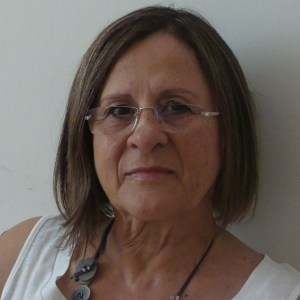
Yiamarelou Yianna
M.A. in Clinical Psychology, Psychotherapist, trainer and supervisor Gestalt, holder of E.C.P (European Certificate of Psychotherapy). Member of EAGT (European Association for Gestalt Therapy). Founding member of the Gestalt Foundation Psychotherapy and Training Center, and founding member of the HAGT (Hellenic Association of Gestalt Therapy).
Relational Gestalt therapist (Pacific Gestalt Institute).
EMDR training (trauma therapy).
Losses, mourning - unrecognized grief (children, adolescents, adults, the elderly).
Crisis Intervention (University of Indianapolis, USA).
Planning of groups & Supervision of Coordinators in charge for the training of volunteers in order to support oncology patients (Athens KEFI Association, 2003 - 2014).
Seminars on abuse, workplace harassment and sexuality.
Support training for severe personality disorders (NSG, Amsterdam, 2001).
She works with adults, couples and groups and through the relational perspective of Gestalt therapy remains in a constant commitment to personal development and in particular to the sensitive issues related to trauma, loss and the existential issues of people seeking psychotherapeutic support.
Planning and organizing short-term therapy groups and supervising their coordinators.
Collection of research material, especially from short-term therapy groups of parents and teachers, in order to explore, understand and re-signify patterns that reproduce relative impasses.
She is the co-author of the book "Introduction to Gestalt Psychotherapy - Basic Concepts, Principles and Applications", (2011), published by the Gestalt Foundation and was responsible for the scientific editing of the Greek translation of the book "Gestalt Therapy: Perspectives and Applications" by Edwin Nevis (editor) with the Greek title "Gestalt Therapy: Theory and applications", (2015), Gestalt Foundation publications. She is also the author of the book released in October 2022 by ARMOS publications entitled "The flow of experience and the necessity of short-term groups in today's becoming".